
Laser strippers have gained popularity as a precise, efficient solution for removing coatings from wood surfaces. But is a laser stripper for wood truly effective? In this article, we’ll explore the advantages, limitations, and real-world applications of laser stripping for wood. If you’re considering a laser stripper for surface restoration, this guide will help you understand its effectiveness and make an informed decision.
What Is a Laser Stripper for Wood?
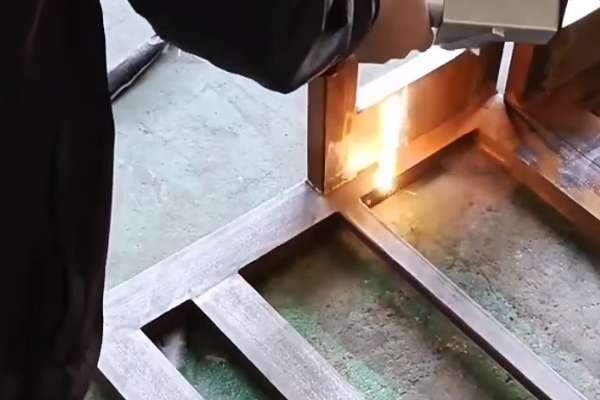
A laser stripper for wood is a device that uses a focused laser beam to remove paint, stains, and other coatings from wood surfaces. This process is highly targeted, vaporizing the unwanted coating layer by layer without damaging the wood itself. Compared to traditional methods that rely on chemicals or abrasive tools, laser stripping offers a cleaner, more precise approach that minimizes surface damage.
How It Works
The laser stripper generates a high-energy laser beam directed at the coated wood surface. The energy is absorbed by the coating layer, causing it to heat up and vaporize, leaving the underlying wood unaffected. This selective targeting allows for precise removal, even on intricate or delicate wood surfaces.
Typical Applications
Laser strippers are commonly used in:
- Furniture Restoration: Removing old paint and varnish layers from wood furniture without sanding or chemicals.
- Antique Conservation: Restoring valuable antiques where preservation of the original wood surface is essential.
- Architectural Restoration: Removing coatings from decorative woodwork, moldings, and other architectural elements.

How Effective Is Laser Stripping for Wood?
Efficiency of Coating Removal
Laser strippers are highly effective at removing a wide range of coatings from wood, including paint, varnish, and stain. Different layers are removed differently. Thinner coatings are removed faster than thicker or more elastic ones. For many projects, laser stripping offers significant time advantages. This is because it generally requires minimal setup and no cleaning afterward.
Surface Protection
Unlike sanding or chemical stripping, laser stripping does not wear down or alter the surface of the wood. The laser precisely removes only the coating, preserving the wood’s natural grain and texture. This makes laser strippers ideal for delicate or high-value pieces where surface preservation is crucial.
Precision and Control
Laser strippers provide precise control, allowing operators to focus on specific areas without affecting surrounding surfaces. This precision is beneficial when working on wood with intricate designs, carvings, or uneven textures. Traditional methods often struggle in such scenarios, but laser stripping achieves consistent results with minimal risk of error.
Advantages of Using a Laser Stripper for Wood
No Chemical Residue
One of the standout benefits of laser stripping is that it requires no chemical agents. This makes it an environmentally friendly choice, eliminating the need for harmful chemicals and reducing the risk of residue left on the wood. Additionally, the absence of chemicals means there’s no need for secondary cleanup, which can save both time and resources.
Lower Risk of Surface Damage
Traditional stripping methods, such as sanding or using harsh chemicals, can damage the wood surface. Laser stripping minimizes this risk by targeting only the coating, protecting the underlying wood. This feature is especially valuable in restoration work, where preserving the wood’s original condition is of utmost importance.
Suited for Complex Surfaces
The laser stripper is particularly well-suited for working with complex surfaces. It can precisely remove coatings from hard-to-reach areas. This capability makes it a versatile tool for handling delicate jobs that are difficult to work with.
Limitations of Laser Strippers for Wood
High Initial Cost
Laser peeling machines are expensive. Their initial cost can be prohibitive for smaller projects. While they offer significant long-term benefits, the upfront investment can be large, especially for industrial-grade models. This cost can be a limiting factor for smaller jobs or individual users who don’t need such high precision.
Speed Limitations on Thick Coatings
While laser strippers are very effective for thin and medium coatings. They can be slower for thick or multi-layered coatings. This is because these coatings need many passes. For densely coated or heavy projects, traditional methods can be faster but lack precision and surface protection.
Application Scope
Laser strippers may not be ideal for all surfaces or materials. Certain types of finishes or special coatings on wood may react differently, requiring adjustments to laser settings or alternative approaches. Additionally, they are often less effective on very small or intricately recessed areas where the laser beam cannot reach.
Real-World Applications of Laser Strippers for Wood
Furniture and Cabinet Restoration
In furniture and cabinet restoration, laser strippers are able to remove coatings without damage. This allows them to maintain the integrity of the wood. Laser strippers allow professionals to remove unwanted finishes and prepare the surface for refinishing without excessive sanding or exposure to chemicals.
Historical Artifact and Antique Restoration
Laser strippers offer unique advantages for historic artifacts and antique woodwork. Traditional methods may alter the wood or leave residue that detracts from the item’s historical value. Laser stripping is a gentle, non-invasive method to restore artifacts without compromising their authenticity.
Architectural and Decorative Woodwork Restoration
Architectural and decorative wood elements, such as moldings, carvings, and structural beams, can benefit greatly from laser stripping. In restoration projects, laser strippers can selectively remove coatings from intricate designs without damaging delicate details. This makes them ideal tools for restoring buildings and interiors.
Choosing the Right Laser Stripper for Wood
Matching Project Needs and Budget
When selecting a laser stripper, it’s essential to consider the project scale and budget. Small-scale operations may find entry-level models enough, while industrial applications might need higher-powered, more advanced machines. It’s helpful to identify the main types of coatings and wood surfaces you work with to select a machine with the right specifications.
Brand and Technical Support
Choosing a reputable brand that provides comprehensive technical support and training is important. Brands that offer reliable customer service can assist with setup, troubleshooting, and maintenance, which enhances the overall experience and reliability of your equipment.
Future Needs and Upgradability
It’s wise to consider a laser stripper that offers options for upgrades or more features. As laser technology continues to advance, having an upgradable machine can help you adapt to new requirements or take on more specialized projects without the need for a full replacement.
Cost and Return on Investment for Laser Strippers
Equipment Cost
Laser stain removal can range from a few thousand dollars for entry-level models to tens of thousands for industrial-grade machines. The cost will depend on the power level, brand, and features. While the initial investment is high, many professionals find that the long-term benefits outweigh these costs, especially for businesses that frequently perform wood restoration.
Long-Term Value
One of the major advantages of laser wood cleaning is the reduction in consumable and waste disposal costs. Unlike sanders or chemical strippers, laser strippers need no ongoing supplies, making them a more sustainable choice. Over time, these savings contribute to a positive return on investment.
Reduced Labor Costs
Laser strippers are fast, precise, and easy to use, reducing the need for intensive labor and post-cleaning. This can translate into significant time and labor savings, making laser strippers a valuable addition for businesses with frequent restoration projects. The efficiency also allows professionals to take on more projects, further improving profitability.
Conclusion
Laser stripper for wood are an effective, precise, and environmentally friendly way to remove coatings. While the initial investment may be high, the benefits of efficiency, accuracy, and long-term savings make it a worthwhile choice.
If you’re ready to explore how laser strippers can enhance your wood restoration projects, contact our team. We’ll help you find the right laser stripper for your needs and budget, ensuring you can tackle any project with confidence and precision.